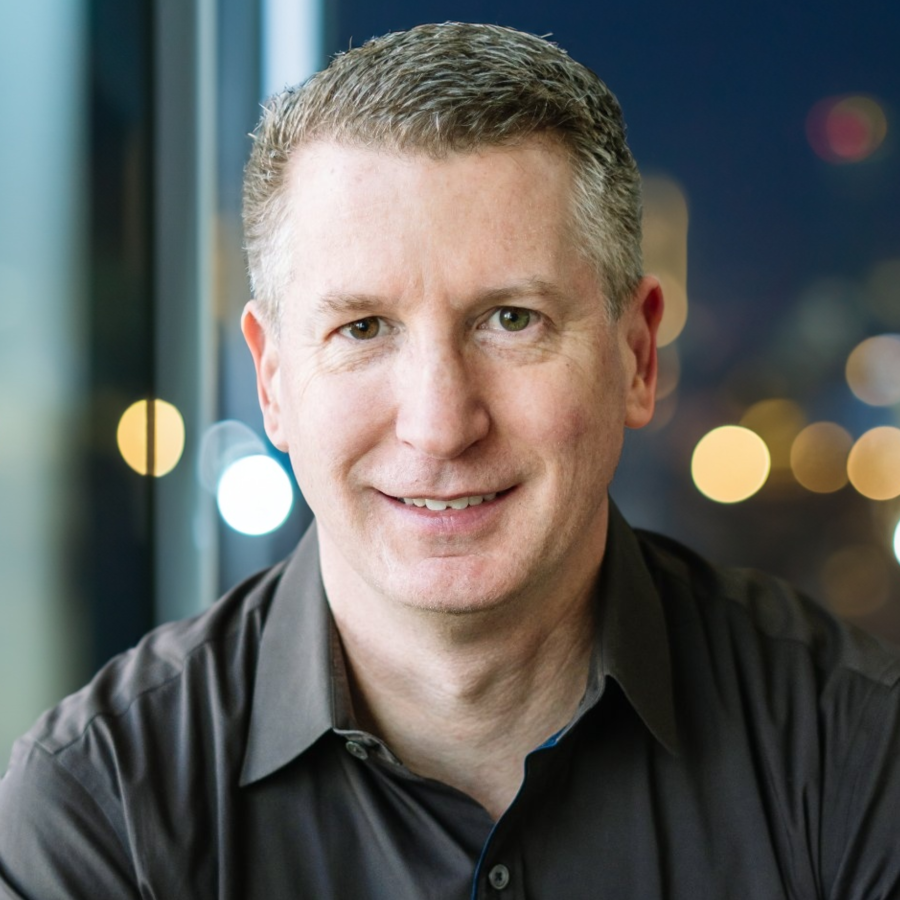
Do you want to advance your career with practical, usable knowledge?
My name is Mitch Lacey. I have been helping teams with agile and Scrum adoptions since 2007 and have been actively involved in agile projects since my first one at Microsoft in 2002. I can help you and your company succeed.
Find In-Person or Live-Online Training
Online and In-Person Certified Scrum and Agile Training
Impactful Training
Our training courses provide participants with a depth of knowledge beyond what can be gleaned from casual internet browsing or skimming through Agile articles. Whether you choose our in-person or live online Advanced Certified Scrum Master (A-CSM), Certified Scrum Master (CSM) or Certified Scrum Product Owner (CSPO) courses, you'll gain expertise in proven methods for effectively leading successful Scrum projects.
If you're considering your training options, we offer both standard and customizable curriculum courses designed to align with your company's specific objectives and requirements. Our goal is to assist you in selecting the most cost-effective solution that fully satisfies your business needs.
Compassionate Coaching
Sometimes research and training are not sufficient. Organizations may need someone to observe how they operate and guide them through difficulties while adopting a method like Scrum, which looks straightforward but takes years to master.
Our coaching services will support you through the process of implementing new practices; we collaborate with project teams as both a coach and a player. We are flexible with our schedule and can offer intensive or light support.
Experienced Consulting
We provide expert software consulting services to help you succeed. Before we start an engagement, we will work with you to identify your needs and determine the best path forward - even if that doesn't include our services.
We value success over a quick buck, so we'll always look for solutions that are in your best interest first. Our goal is to help you find the best way to reach your objectives. With our expertise, we can guide you on the path to success.
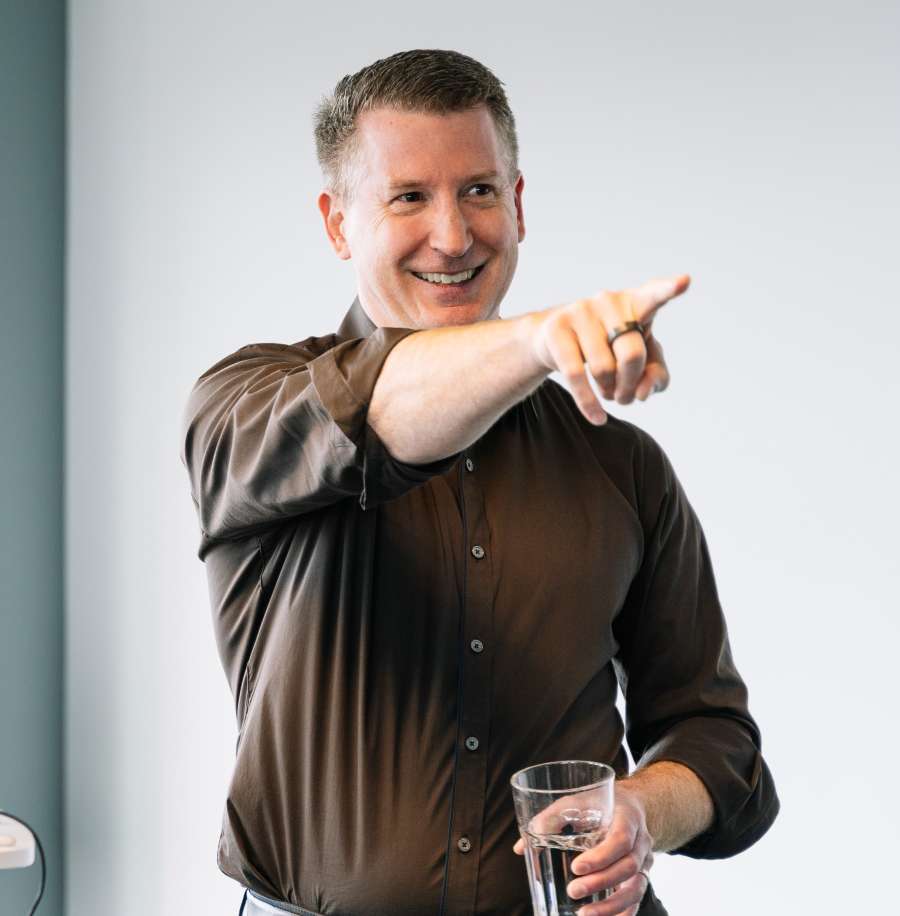
Introducing our latest addition: Advanced Certified Scrum Master training! When you combine this with our comprehensive live online or in-person Scrum Master (CSM) or Product Owner (CSPO) training, you'll acquire the complete skill set necessary to elevate your proficiency beyond the fundamentals of the Scrum Framework and Agile methodologies!
We have meticulously designed an exceptionally immersive and interactive class format, available both in person and live online. This comprehensive approach incorporates a wide range of tools to equip you with the skills required to ace the exams on your initial attempt. Moreover, you'll be well-prepared to facilitate your organization's smooth transition to Scrum!
Leveraging our extensive knowledge and expertise, you will gain the confidence to navigate the Agile process effectively. Enroll today to embark on your path to success!
Feel free to get in touch with us if you have any additional questions.